Plastic-Eating Enzyme Could Eliminate Billions Of Tons Of Landfill Waste
April 29, 2022
An enzyme variant created by engineers and scientists at The University of Texas at Austin can break down environment-throttling plastics that typically take centuries to degrade in just a matter of hours to days.
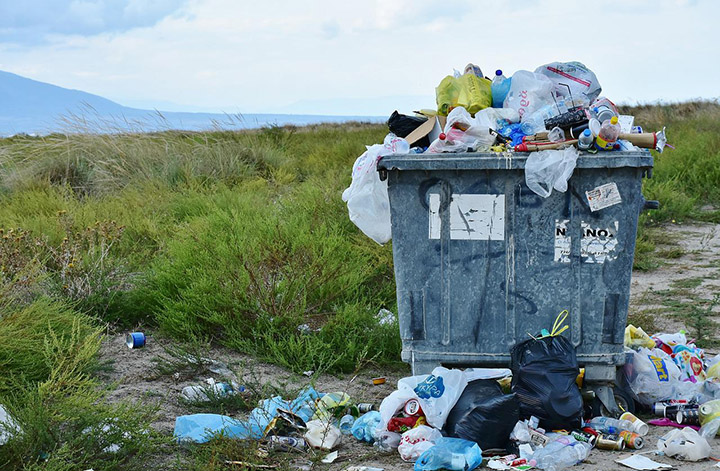
This discovery, published today in Nature, could help solve one of the world’s most pressing environmental problems: what to do with the billions of tons of plastic waste piling up in landfills and polluting our natural lands and water.
The enzyme has the potential to supercharge recycling on a large scale that would allow major industries to reduce their environmental impact by recovering and reusing plastics at the molecular level.
"The possibilities are endless across industries to leverage this leading-edge recycling process," said Hal Alper, professor in the McKetta Department of Chemical Engineering at UT Austin.
"Beyond the obvious waste management industry, this also provides corporations from every sector the opportunity to take a lead in recycling their products. Through these more sustainable enzyme approaches, we can begin to envision a true circular plastics economy."
Watch the video below.
 Dogs Are Forced To Wear The Things They Steal — And It’s Hilarious
 After Losing His Right Arm, His Cousin Spent 48 Hours Crocheting Him a New One
 This Dentist Brings His Dog In To Help People With Dental Anxiety
 Second Chances In The Saddle: The Retired Racehorses Finding Loving New Homes
 Smart Blackjack Strategies Every Player Should Know
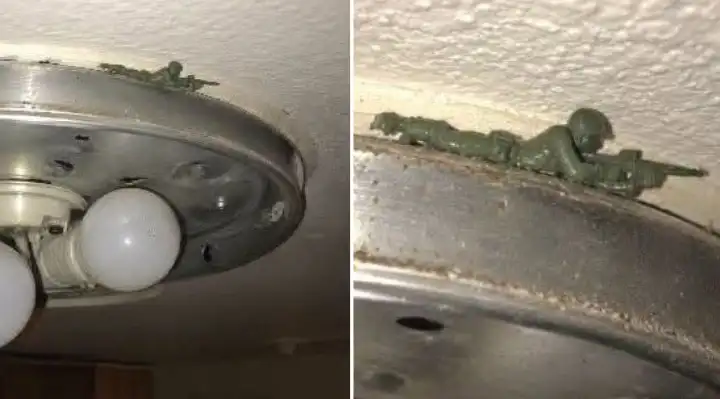 A Guardian in the Light Fixture: Daughter Finds One Last Surprise Her Dad Left Behind
 Golden Retriever Gets Trapped By Sleeve, Finally Gets Free
 Strong Man Loses on Purpose So a Dad Can Make His Daughter Proud
 Stray Dog Becomes the Star of a Wrestling Match
 Bear Strolls Into Farmers Market, Helps Himself to Free Snacks
 Man Tests If His New Pants Fit With the Spider-Man Method