How to Spot Cheaters in Online Chess Without Guessing
January 22, 2026
Competitive play has never been more accessible than it is now with online chess. However, it has also brought about an old problem in a new form: cheating. With an increasing number of individuals competing on large chess websites, even amateur players sometimes come across opponents whose play seems “too good” to be human.
Strong play can also be misunderstood as dishonest, especially after a bitter defeat. One bright game is not enough to demonstrate cheating. This article provides a practical fair-play-first approach: what to pay attention to, what not to assume, and what to do when something seems amiss.
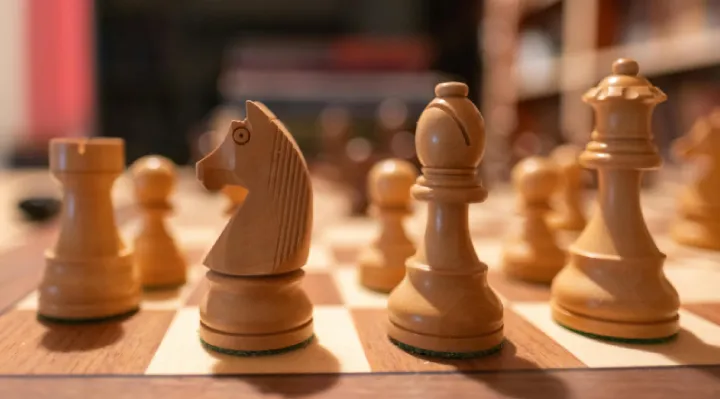
What Cheating Looks Like in Practice
In online chess, most cheating involves external aid, typically engine assistance, providing an unfair advantage while attempting to remain undetected. Since you cannot see your opponent, all you can rely on is game data: move quality, timing, and patterns across multiple games.
It’s important to note that strong play can also have innocent explanations. A player might be well-prepared in a sharp opening, unusually focused, or simply having a good day. The goal is risk assessment: look for repeated patterns that cannot easily be explained by skill alone.
Red Flags That Are Worth Noticing
Detecting cheating in a single game is difficult, but certain behavioral patterns across multiple games may be suspicious:
- Surprising bursts of accuracy: The opponent plays normally early, then makes a series of abnormally precise moves when the position becomes tactically complex.
- Perfect decisions at critical moments: Overlooks simple positions but finds the best defense or tactical shot under pressure.
- Artificially consistent strength: Maintains very high performance across many openings and positions with minimal variance.
- Strange time usage patterns: Takes a long time on simple moves but reacts quickly to complex positions.
However, these patterns can also have legitimate explanations: preparation, familiarity with certain positions, or time pressure. Look for repetition, not a single extraordinary sequence.
Cheating vs Strong Play: A Quick Comparison
The following table provides a quick reality check. Context and frequency matter:
| Pattern You Notice | Could Be Suspicious | Could Be Normal |
|---|---|---|
| An ideal strategy in a disorganized position | Engine assistance in critical moments | Prepared line, tactical motif, strong calculation |
| Very consistent performance in numerous games | Consistent outside help | Powerful player on a streak, consistent style |
| Great pauses followed by engine-like moves | Checking an engine | In-depth analysis, distractions, time management |
| Uncommon errors in every type of position | Non-human consistency | More rated player, good matchups |
The key aspect: a single data point is not a decision. Trends across multiple games are more important than one online match.
If You Play Chess Online, Here’s the Clean Approach
The best mindset when playing chess online is to focus on your own concentration rather than trying to “solve the case” mid-game. Avoid public accusations; platform systems are better equipped to detect cheating.
Steps to follow:
- Finish the game calmly. Tilt leads to mistakes and inaccurate judgment.
- Review critical moments. Analyze key swings, tactics, defenses, and endgame technique.
- Search for consistency across games. One unusual game is insufficient; patterns matter more.
- Use official reporting tools. If a fair-play report exists, submit it responsibly.
This ensures healthy play and helps avoid unnecessary accusations in competitive chess.
What Platforms Do (and Why It’s Not Instant)
Most major platforms invest heavily in fair-play systems. Detection involves statistical analysis, comparison with expected human performance, and careful investigation—so results are not immediate.
Instant punishment based on a single game could lead to abuse or accidental bans, which is why platforms rely on repeated patterns.
Real-World Cases That Shaped the Online Cheating Debate
- Tigran L. Petrosian, 2020 Pro Chess League: GM Petrosian breached fair-play rules, resulting in a permanent ban and team disqualification.
- GM Hans Niemann, 2022: Chess.com concluded Niemann cheated in over 100 online matches; no over-the-board evidence was found.
- Dewa Kipas scandal, 2021: A viral cheating claim highlighted the dangers of online accusations turning into harassment.
Takeaway: Enforcement is pattern-based and platform-driven. Report responsibly and avoid public claims from a single suspicious game.
Practical Checklist After a Suspicious Game
- Was it an extremely tactical position? Engine-like play can appear normal in tactical motifs.
- Was the opponent’s strength limited to one phase? Players can excel in openings but struggle in endgames.
- Were there unnatural timing patterns? Long on easy, fast on hard moves may be suspicious.
- Did the opponent make human errors too? Even strong players make mistakes.
- Is there a multi-game pattern? One odd game is less significant than a repeated pattern.
- Did you have a clean losing explanation? Sometimes simple mistakes explain the outcome.
- Did you report using the platform tool? Report responsibly once if suspicious.
This checklist helps you remain objective while taking fair play seriously.
Online vs Club Play: Why It Feels Different
Physical environments provide context: body language, visible time pressure, and social cues. In international chess clubs, you can often tell when a player is far beyond their usual capability or unusually prepared.
Online, such context is absent. You only see moves and time, making suspicion more common. Focus on what you can control: your play, review process, and official reporting.
Why Fair Play Matters More Than Any Single Game
Cheating in chess damages trust. Vigilantism is not the answer. The best approach combines personal discipline (don’t tilt, don’t accuse without evidence) and platform systems that detect patterns over time.
With a balanced attitude, you can enjoy the game, learn from your mistakes, and let fair-play mechanisms do their job, keeping online chess competitive, accessible, and rewarding game after game.
 Stray Dog Becomes the Star of a Wrestling Match
 Two Cats Sitting Under an Umbrella Have the Internet Asking One Very Important Question
 7-Year-Old Boy Sends Birthday Card to His Dad in Heaven
 Homecoming King Surprises Everyone by Giving His Crown to the Runner-Up
 Fisherman Gives Crabs a Spa Day Before Releasing Them Back Into the Ocean
 One-Year-Old Goes Viral For Showing Off Impressive Taekwondo Skills
 Exhausted and Injured Jaguar Rescued by Brazilian Soldiers