He Doesn’t Look Like A 'Typical' Scientist — And That’s Exactly Why People Are Watching
February 3, 2026
A South Florida scientist is proving that science doesn’t have to look a certain way — and social media is taking notice.
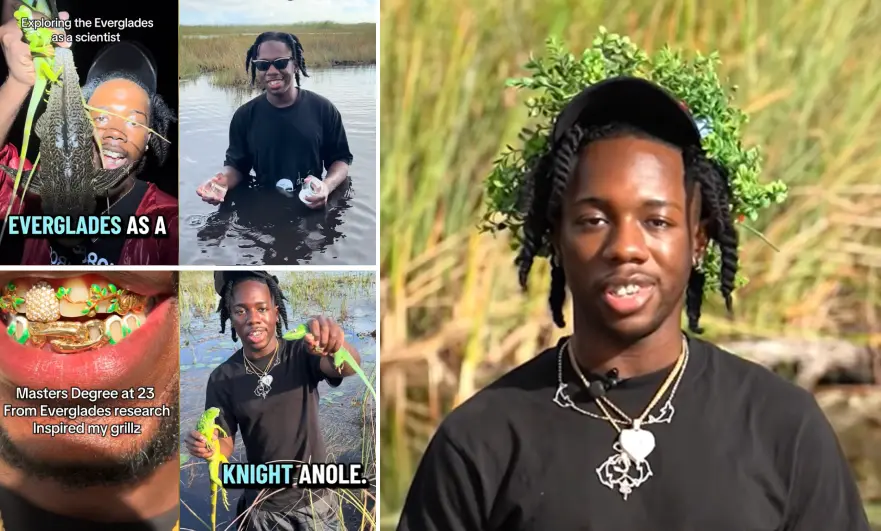 Jordon / @kidflamesss
Jordon King, a microbiologist and content creator, has been drawing attention online for his research in Everglades National Park, where he studies one of the ecosystem’s most important — and least understood — elements: floc.
The Everglades is a major research hub in Florida, but much of its ecosystem still holds unanswered questions. King’s work focuses on how floc — a loose, organic material found in wetland soils — can reveal changes in the Everglades over time, especially those caused by human activity such as freshwater restoration.
Floc may not sound exciting at first, but King explains why it matters. Unlike compact soil, floc helps form sediment. Without sediment, plants can’t grow. Without plants, animals lose their food sources. And without that balance, the entire ecosystem begins to unravel.
Over the past year, King has collected more than 200 soil samples as part of his research. His dedication earned him a master’s degree from Florida International University — though the path there wasn’t easy. He says he reached out to about 40 professors before receiving a single yes that allowed his research to move forward.
King later began sharing his work on social media, posting videos from the Everglades and breaking down complex science in an engaging, accessible way. What started as a casual idea quickly gained attention, with viewers drawn to both his passion for science and his authenticity.
“I feel like you shouldn’t judge a book by its cover, which is what everyone says in my comments,” King said. “Don’t judge a book by its cover because you never truly know what someone is doing or who they are. I think what makes me stand out is my personal style — me just being myself and not conforming to the standard of a scientist.”
Whether he’s collecting floc samples or raising awareness about invasive species, one thing is clear: King loves what he does. He told NBC6 that he hopes to continue focusing on his research while using social media to share his work, make a living, and inspire others to get involved in science.
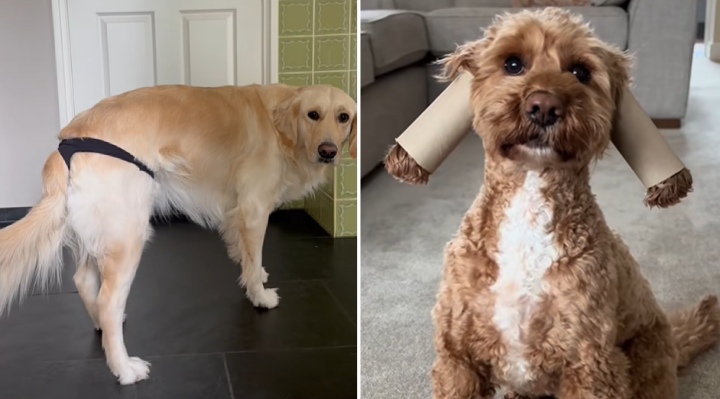 Dogs Are Forced To Wear The Things They Steal — And It’s Hilarious
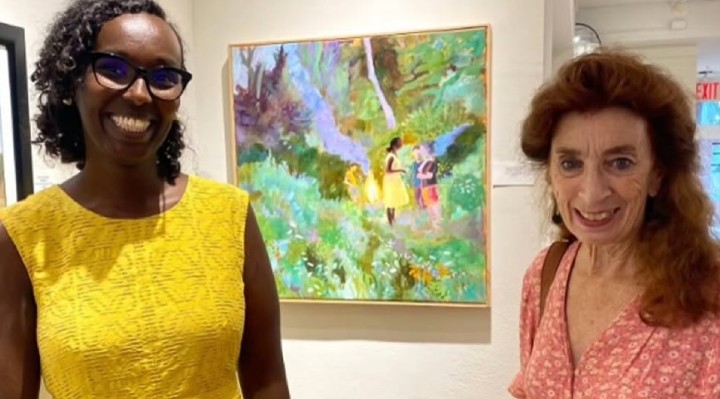 Her Neighbor Invited Her To An Art Show — Then Asked Her To Wear One Specific Dress
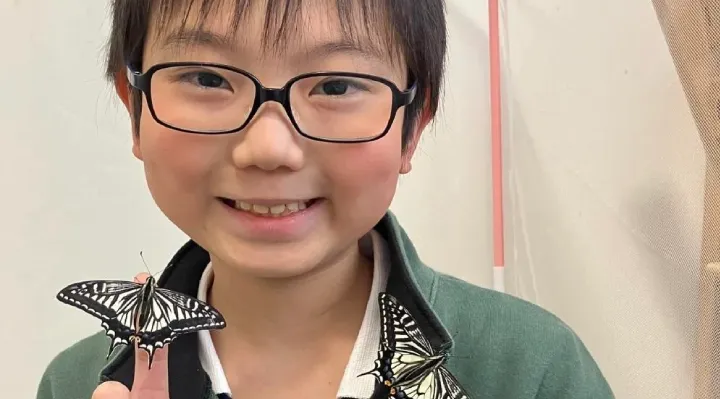 Child Prodigy Discovers Butterflies Remember Caterpillar Life, And Pass Down Memories To Offspring
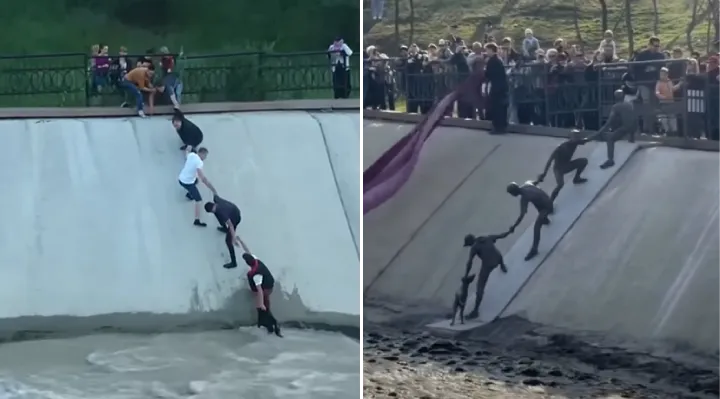 Viral Dog Rescue In Kazakhstan Now Honored With Statue
 Rebel Cat Crosses US–Canada Border Daily And 'Smuggles' Goods
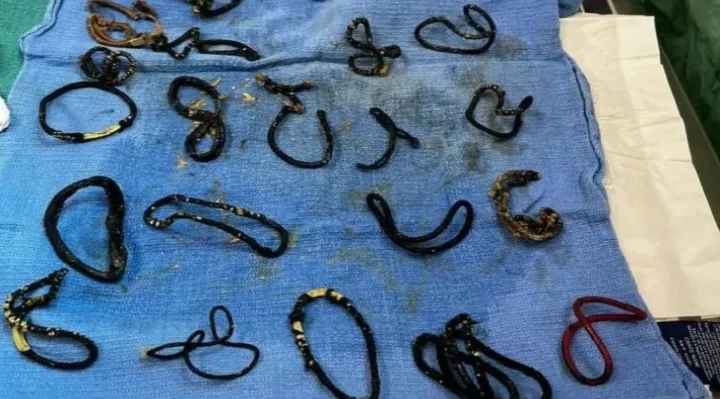 Cat Saved From Euthanasia After Vets Remove 26 Hair Ties From Her Stomach
 Seven Stolen Dogs Escape And Walk 10 Miles Home Together
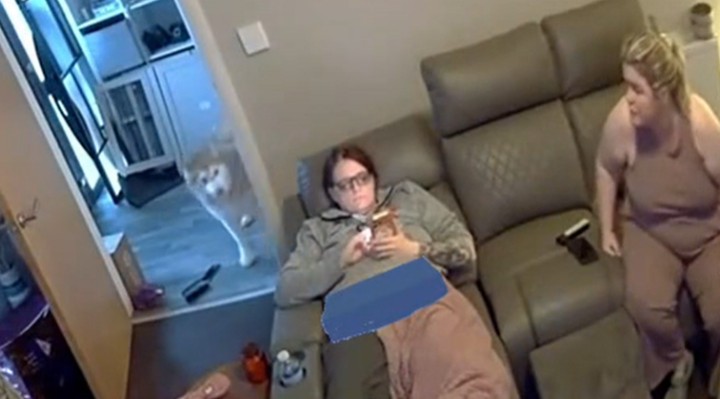 'Get In Here And Say That To My Face!' — And The Husky Does Exactly That
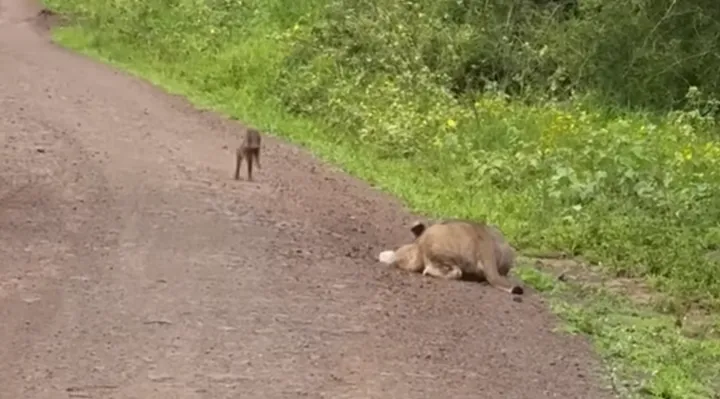 Baby Warthog Does The World's Best Side Step Past Hungry Lions
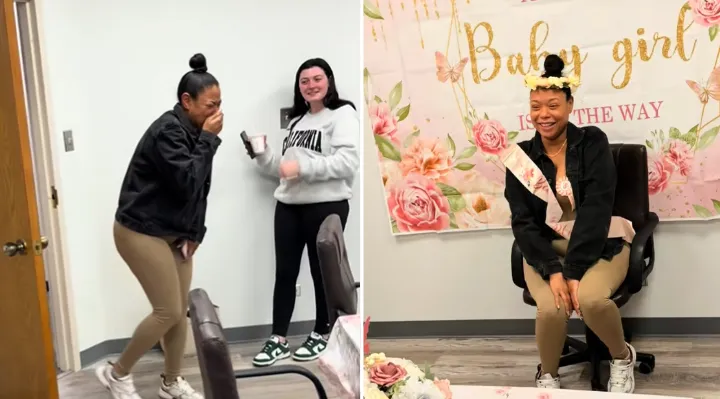 A Pregnant Teacher Felt Alone With No Help… Then Her Class Stepped In
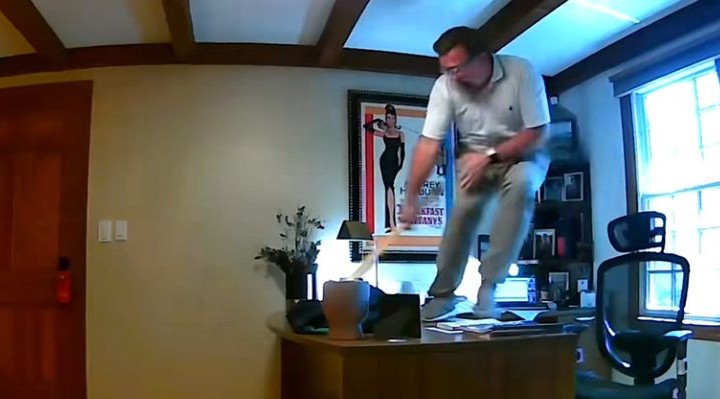 Imagine Being On The Other End Of This Zoom Call…