How To Send A Parcel From The US To Spain With Confidence
November 20, 2025
The idea of sending something overseas often feels harder than it is. In reality, most problems disappear once you understand how the process works and which decisions matter most. That applies even when you plan to send parcel from the US to Spain for the first time. The route is well established, and minor preparations make the difference between guessing and knowing what will happen next.

Concerns That Don’t Need to Hold You Back
Distance is usually the first thing people worry about. A package crossing the Atlantic sounds complicated, yet thousands move between both countries daily without major issues. Transit hubs are designed for constant movement, ensuring predictability.
Another concern is visibility. Many senders assume the parcel “disappears” after drop-off. Modern tracking systems prove the opposite, recording each stage from departure in the US to customs processing in Spain and the last mile inside the country. This eliminates guesswork.
Paperwork also worries people more than it should. Most forms ask for only a few facts: description, value, sender, and receiver. As long as information is truthful and consistent, customs does not slow parcels just to check them again. Problems occur when descriptions are clever instead of clear.
Common Pitfalls You Can Avoid Easily
The mistakes that cause delays repeat from sender to sender. They are rarely dramatic, usually small things overlooked during packing or form filling. Typical problems include:
- sending fragile items with no internal padding — causes extra checks for damage risk;
- describing contents too creatively — customs prefers “chocolate bars”, not “sweet surprise”;
- forgetting an apartment number — leads to failed delivery attempts in Spanish cities;
- sealing the box before weighing it — incorrect declared weight triggers manual handling.
Avoiding these issues does not require expert knowledge. A short checklist before you hand the parcel to the carrier removes most of the friction built into international routes.
Small Steps That Make a Big Difference in Delivery Success
Think of preparation as risk control. A solid box prevents compression damage in sorting machines. Filling space stops internal movement. One sheet with recipient and sender details placed inside the box protects you if the label tears in transit.
Timing is also part of the outcome. Spain experiences extended processing periods during August holidays and late December. Sending the parcel even a week earlier keeps it away from the backlog that forms during national breaks.
Choosing a provider with steady connections between the US and Spain reduces uncertainty even further. Meest-America specializes in shipments on this route, so their guidance matches the actual logistics flow rather than general international rules. A few minutes spent reviewing instructions often saves days later.
Confidence does not come from hoping everything goes well. It comes by removing reasons for failure before the parcel leaves your hands. Clear information, practical packaging, and realistic timing turn a long-distance shipment into a predictable process. With these elements in place, your package can cross the ocean without unnecessary stress and arrive in Spain exactly as planned.
 Stray Dog Becomes the Star of a Wrestling Match
 This Dentist Brings His Dog In To Help People With Dental Anxiety
 Second Chances In The Saddle: The Retired Racehorses Finding Loving New Homes
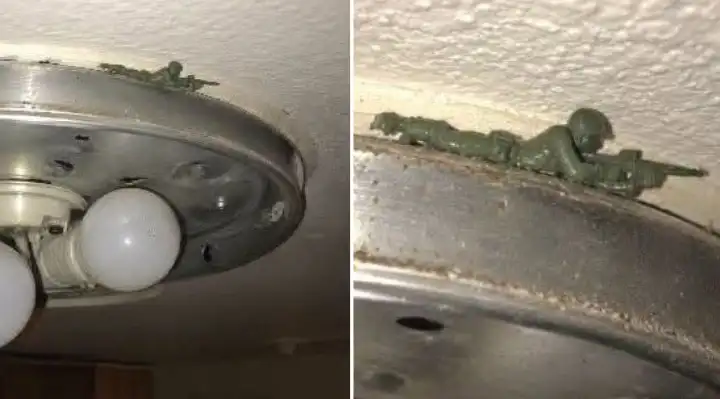 A Guardian in the Light Fixture: Daughter Finds One Last Surprise Her Dad Left Behind
 Smart Blackjack Strategies Every Player Should Know
 Grateful Man Celebrates His 60th Birthday With Pizza, Receives Thousands Of Birthday Wishes
 Pro Arm Wrestler Loses On Purpose So Dad Can Be Daughter's Hero
 The Best Sports Tradition Ever: The Hawkeye Wave
 These Middle Schoolers Made a 5-Year-Old’s Birthday Unforgettable
 Kittens Take A Field Trip To The Aquarium