Alcohol Consumption In America Has Hit A Record Low — Here’s What’s Behind The Drop
August 15, 2025
Turns out, America is putting down the wine glass.
Gallup’s latest survey shows only 54% of U.S. adults say they drink alcohol — the lowest number since the poll started way back in 1939.

It’s not just a tiny dip, either. For decades, at least 60% of Americans said they drank. But in the past three years, those numbers have slid fast: 62% in 2023, 58% in early 2024, and now… 54%. Gallup says this kind of year-after-year drop has never happened before.
So, what’s going on?
A big reason is shifting health opinions. For the first time, most Americans — 53% — say even “just one or two drinks a day” is bad for you. Only 6% think it’s good for you, and the rest say it makes no difference.
Young adults, who were already sipping less than older generations, saw a big drop — from 59% last year to just 50% now. Even political leanings are showing changes: drinking among Republicans fell a huge 19 points (now at 46%), while Democrats stayed steady at 61%.
And no, it’s not because everyone’s suddenly swapped wine for marijuana. Recreational marijuana use has stayed about the same for the past four years, so this is more about people rethinking alcohol altogether.
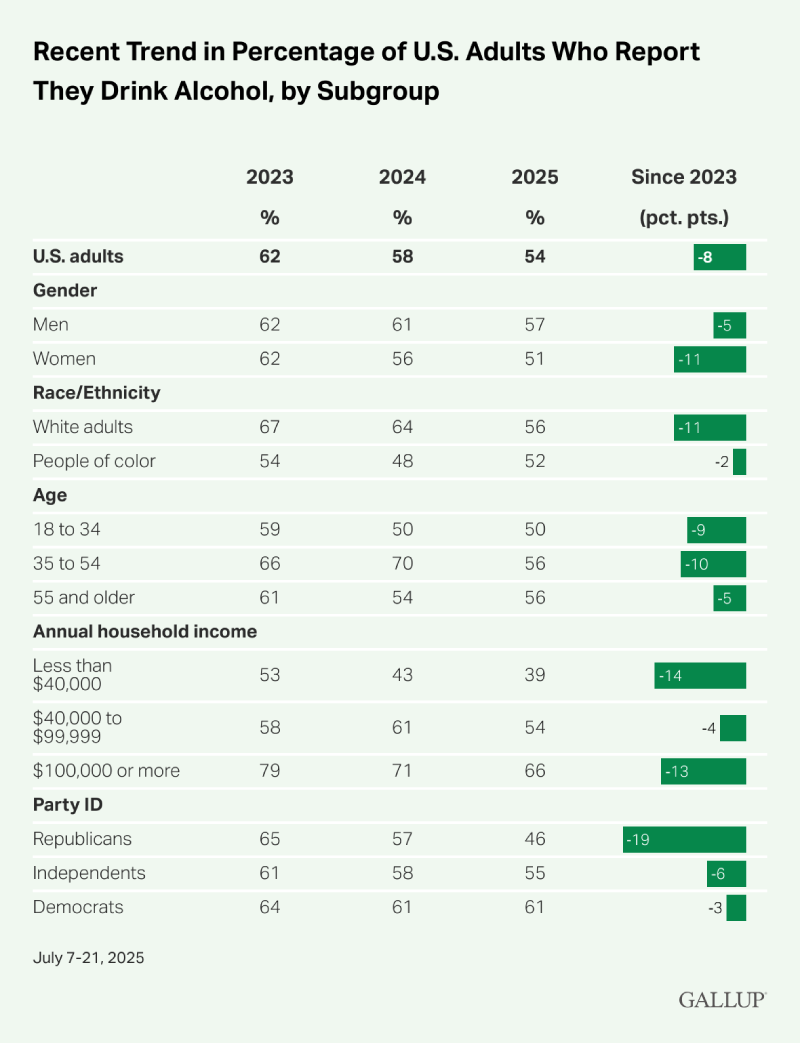
Data via Gallup.com
The Great Health Mindset Shift
Back in the early 2000s, only about a quarter of Americans thought moderate drinking was harmful — and plenty believed that a glass of red wine was actually good for you. Now? That idea’s getting corked.
2018: 28% thought moderate drinking was unhealthy
2023: 39%
2024: 53% (a majority for the first time)
Young adults lead the pack, with about two-thirds saying moderate drinking is bad for your health.
Women are more likely than men to say the same (60% vs. 47%).
Where This Could Be Headed
Gallup compares this shift to how smoking rates started tumbling after the Surgeon General’s warnings in the ’60s. Whether the same thing happens with alcohol might depend on how strongly doctors, health officials, and policymakers keep delivering the “no amount is risk-free” message.
For now, it’s safe to say the U.S. is rethinking what’s in the glass.
 Stray Dog Becomes the Star of a Wrestling Match
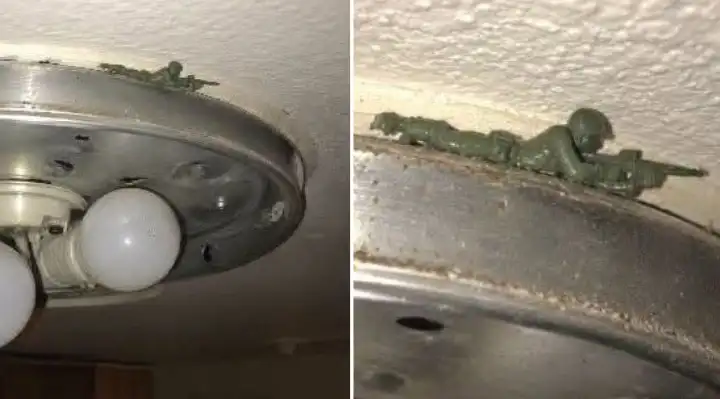 A Guardian in the Light Fixture: Daughter Finds One Last Surprise Her Dad Left Behind
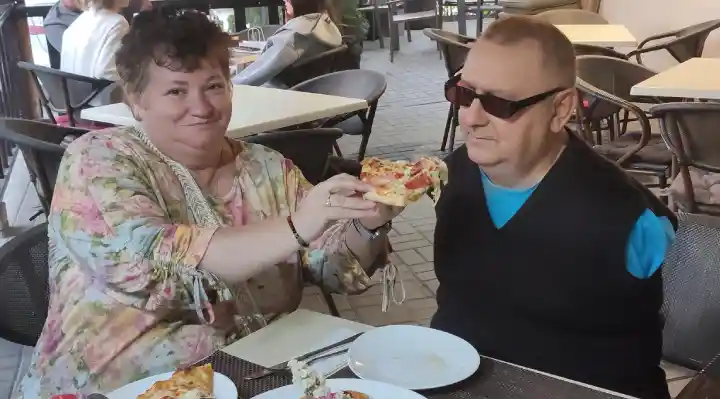 Grateful Man Celebrates His 60th Birthday With Pizza, Receives Thousands Of Birthday Wishes
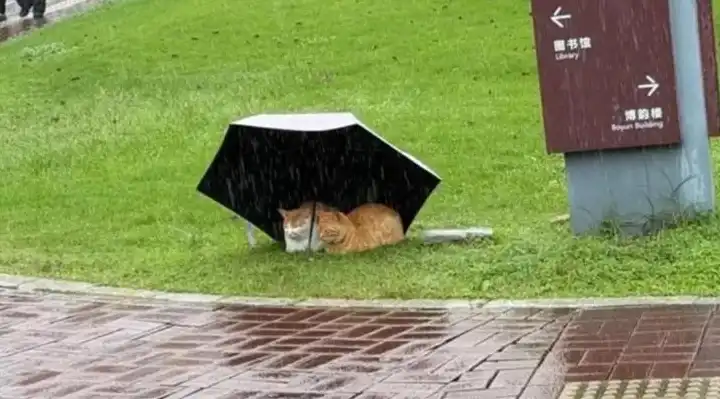 Two Cats Sitting Under an Umbrella Have the Internet Asking One Very Important Question
 Pro Arm Wrestler Loses On Purpose So Dad Can Be Daughter's Hero
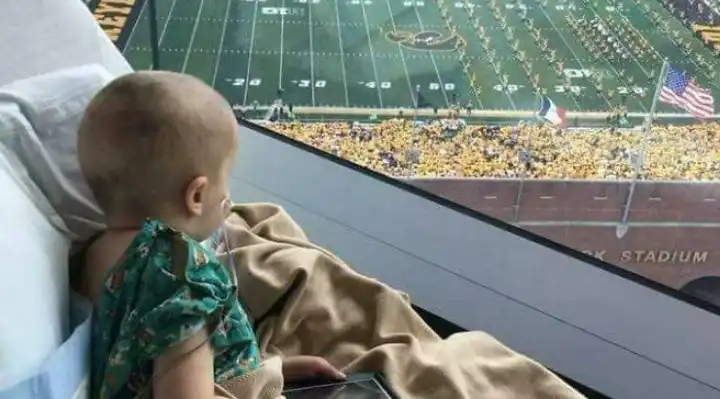 The Best Sports Tradition Ever: The Hawkeye Wave
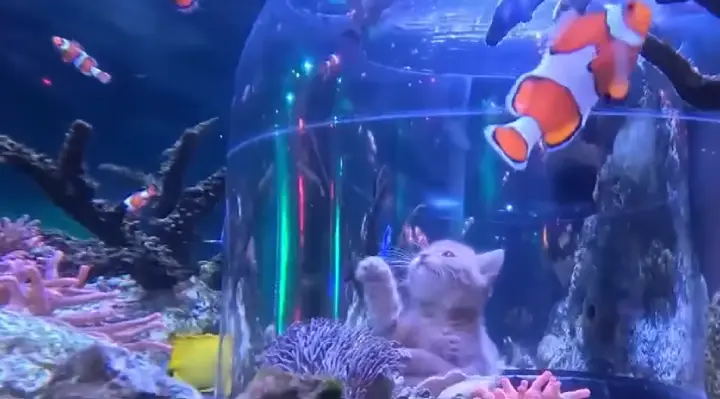 Kittens Take A Field Trip To The Aquarium
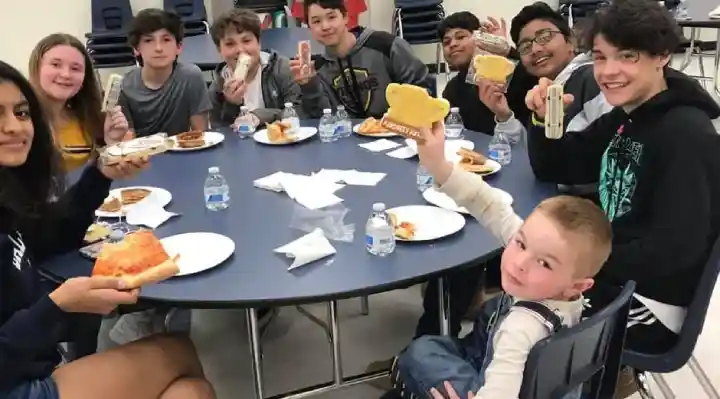 These Middle Schoolers Made a 5-Year-Old’s Birthday Unforgettable
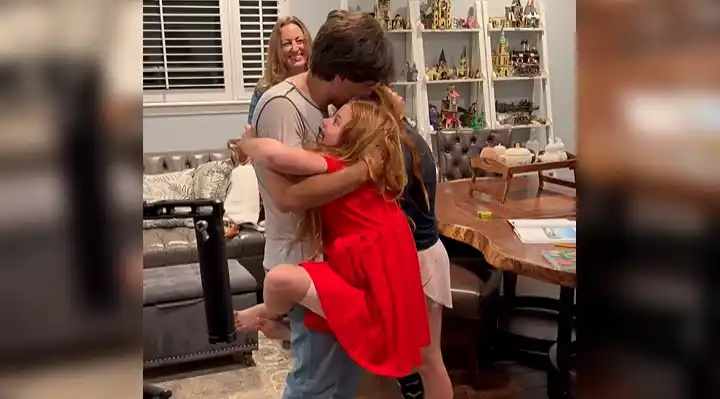 Dad Tells His Children He Won The Nobel Prize In Medicine