Smart Blackjack Strategies Every Player Should Know
September 28, 2026
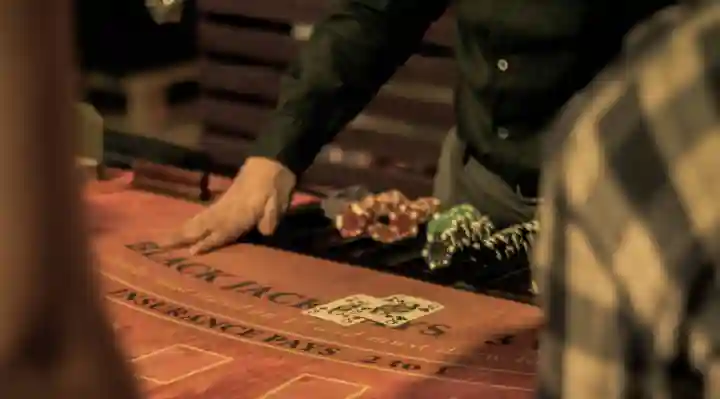
Blackjack has one of the lowest house edges of any casino game, but that math only helps a player who is still in the game long enough to benefit from it. Bankroll management is what keeps a good run from turning into an empty wallet and a bad run from turning into a bigger loss than anyone planned.
The decisions that matter most happen before a single card is dealt.
 Unsplash
Setting a budget is the easy part. Sticking to it under pressure is what separates disciplined players from the rest. Many players first test that discipline on online blackjack games with low table limits, since a smaller bankroll makes it easier to notice bad habits before they get expensive.
A fixed amount set aside purely for play, treated the same way as a ticket to a show rather than money that has to come back, tends to hold up better than a vague plan to "just be careful." Once that number exists on paper, everything else in this guide is about protecting it.
Start With a Realistic Session Budget
A session budget is not the same as a monthly entertainment budget split evenly across every visit. It should reflect what you can afford to lose in one sitting without touching rent, bills, or savings. A few habits make that budget easier to hold to once the cards are in the air.
- Decide the total amount for the entire trip or month first, then split it into separate session amounts.
- Cash in only what was budgeted for that session, and leave extra cards or cash somewhere else.
- Treat any chips still on the table at the end of a session as a bonus, not as money owed back.
None of these habits require much math, only the willingness to decide the numbers in advance rather than negotiating with yourself mid-session, when a losing hand makes almost any bet size feel justified.
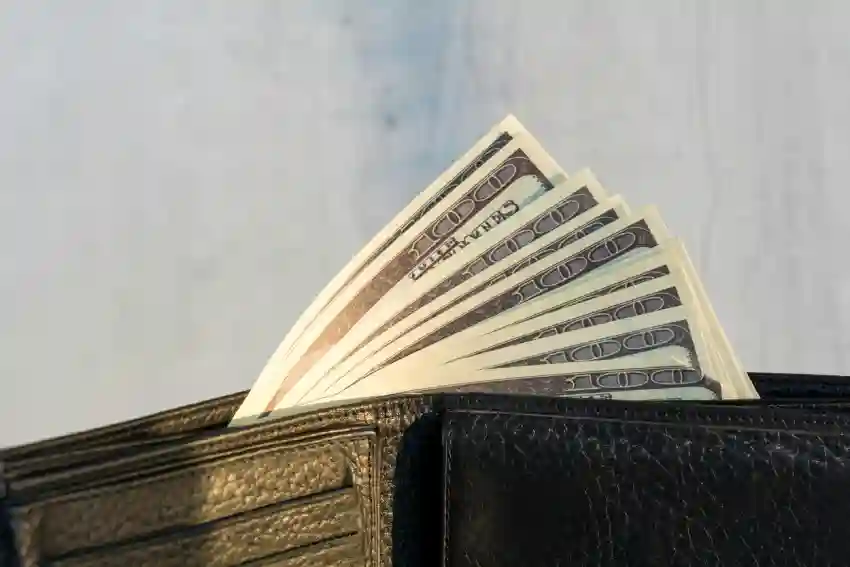 Unsplash
Size Bets to Match the Bankroll
A common guideline is to keep a single bet at one to two percent of the session bankroll, sometimes called a betting unit. Smaller units absorb a losing streak without forcing an early exit, while oversized bets can end a session in a handful of hands regardless of skill.
| Session Bankroll | Suggested Bet per Hand | Rough Hands of Cushion |
|---|---|---|
| $100 | $2 to $3 | 35 to 50 hands |
| $300 | $5 to $8 | 40 to 60 hands |
| $1,000 | $15 to $25 | 40 to 65 hands |
These figures assume flat betting rather than a progression, and they are meant as a starting point, not a formula. A shoe running cold will still test a budget, no matter how carefully the unit size was chosen.
Why Betting Systems Do Not Rescue a Shrinking Bankroll
Doubling a bet after every loss, a method known as the Martingale system, feels like a logical fix once a bankroll starts shrinking. It is not.
No progression changes the underlying odds of the game; it only changes how fast money moves in either direction, and table maximums exist specifically to cap how far a doubling sequence can run. The house edge always sits exactly where it was before the first bet was placed.
Chasing a loss with bigger bets does the opposite of what a bankroll plan is supposed to do. It trades a small, planned loss for the chance of a much larger one, on the same hand that started the losing streak in the first place.
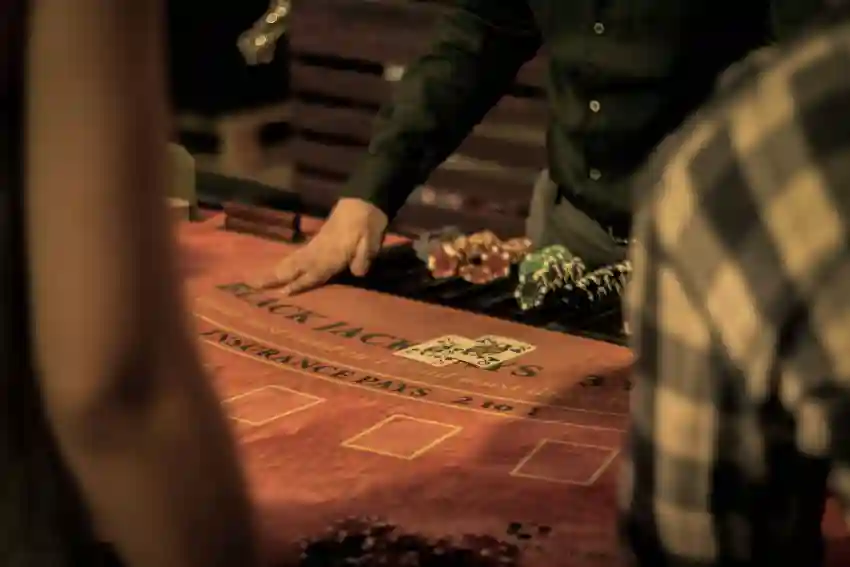 Unsplash
Track Time and Losses, Not Just Wins
Most players track how much they have won without paying the same attention to losses or time spent playing. Both matter more for bankroll health. A few signals are worth watching for during any session.
- Betting above the planned unit size to make up for a previous loss
- Reaching the loss limit set before the session started
- Losing track of how much time has passed at the table
- Feeling annoyed rather than mildly disappointed after a loss, which often signals the fun part of the session has already ended.
Any one of these is a reasonable point to close out a session, cash out what remains, and pick a specific day to come back rather than continuing on a whim.
Know When to Step Away
For most players, a clear budget and a bit of discipline keep blackjack squarely in the entertainment column of a monthly budget. When it stops feeling that way, when tracking losses becomes stressful rather than routine, that shift is worth taking seriously rather than pushing past it.
The problem gambling helpline, run by the National Council on Problem Gambling, offers free and confidential support for anyone who wants to talk through where that line should be, day or night.
Managing a bankroll will not make blackjack more exciting, but it keeps the game worth returning to. A budget set in advance, bets sized to match it, and a firm stopping point turn blackjack into entertainment with real boundaries, which is how a game with such a low house edge is meant to be played.
 Dogs Are Forced To Wear The Things They Steal — And It’s Hilarious
 A Dad Keeps a Running List of Every Dog He Meets on His Beach Walks
 After Losing His Right Arm, His Cousin Spent 48 Hours Crocheting Him a New One
 Miles Don't Have to Separate Us; You Just Need to Use Technology!
 Smart Blackjack Strategies Every Player Should Know
 This Dentist Brings His Dog In To Help People With Dental Anxiety
 Dad and Daughter Pilots Recognize Each Other on the Radio, and It Gets Hilarious
 Shelter Dogs Pick Their Favorite Toys, and Their Reactions Are Priceless
 Trumpet Player SINGS National Anthem After Trumpet Malfunctions
 Strong Man Loses on Purpose So a Dad Can Make His Daughter Proud
 Stray Dog Becomes the Star of a Wrestling Match