Amateur Archaeologist Using Google Earth Discovers Long Lost Pyramids In Egypt
December 24, 2013
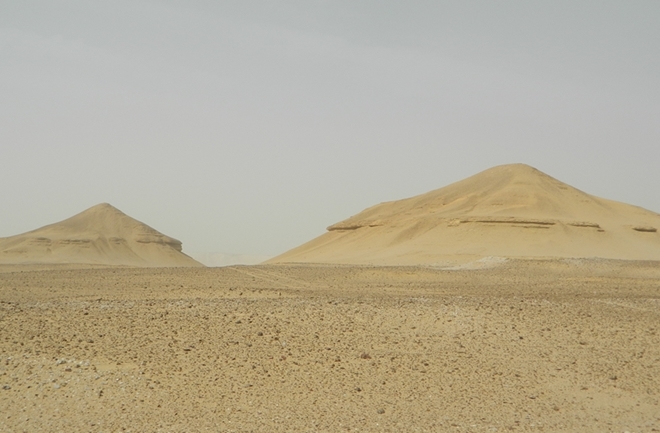
PHOTO: MOHAMED ALY SOLIMAN/ROSSELLA LORENZI
Are these formations in the Egyptian desert the long lost Fayum pyramids of Lahoun and Hawara? The structures were spotted by amateur satellite archaeologist Angela Micol using Google Earth 5,000 miles away in North Carolina.
Located about 90 miles apart, the two possible pyramid complexes appeared on aerial imagery as an unusual groupings of mounds with intriguing orientations. One site near the Fayum oasis revealed a four-sided, truncated mound approximately 150 feet wide and three smaller mounds in a diagonal alignment (left). The other site, just 12 miles from the city of Abu Sidhum along the Nile, featured two large and two small mounds (right).
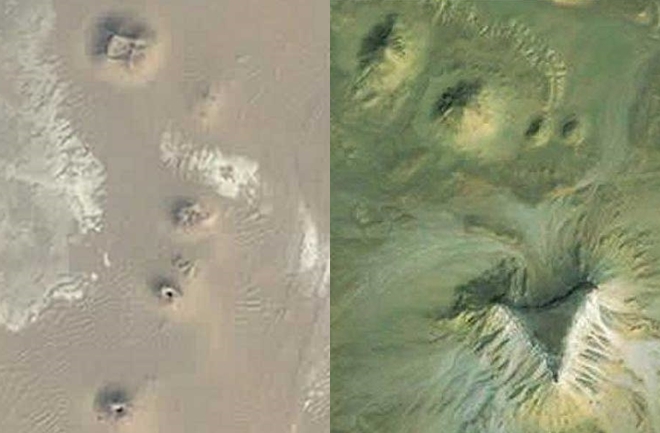
PHOTO: MOHAMED ALY SOLIMAN/ROSSELLA LORENZI
"They would be the greatest pyramids known to mankind," the couple said. "We would not exaggerate if we said the finding can overshadow the Pyramids of Giza."
Aly Soliman believes the big mounds are hiding pyramids as the metal detector used over them signaled metal and showed an underground tunnel heading north.
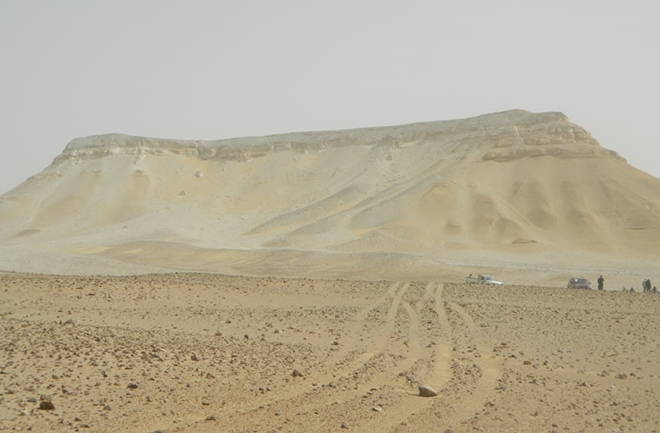
PHOTO: MOHAMED ALY SOLIMAN/ROSSELLA LORENZI
Micol was then contacted by an Egyptian couple -- collectors who claimed to have important historical references for both sites. According to Medhat Kamal El-Kady, former ambassador to the Sultanate of Oman, and his wife Haidy Farouk Abdel-Hamid, a lawyer, former counselor at the Egyptian presidency and adviser of border issues and international issues of sovereignty, more than 34 maps and 12 old documents in their collection would support the existence of the lost pyramids.
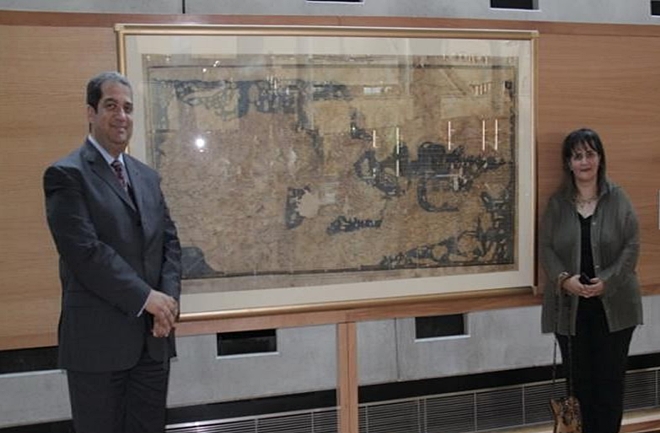
PHOTO: MOHAMED ALY SOLIMAN/ROSSELLA LORENZI
While the site in the Fayum has not been investigated yet, a preliminary on-the-ground expedition has already occurred at the site near Abu Sidhum. According to Micol, it provided intriguing data to compare with El-Kady and Farouk's maps and documents.
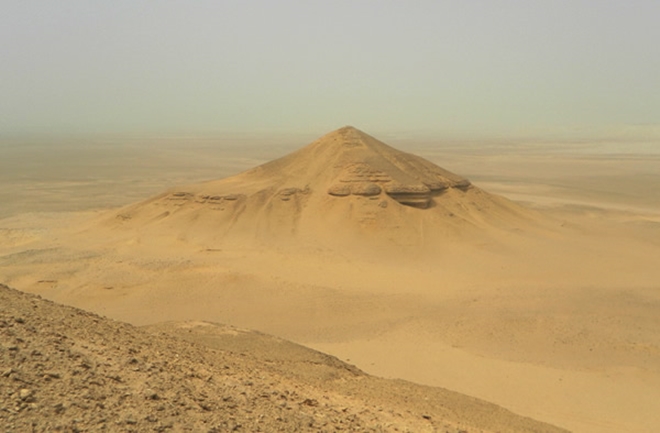
PHOTO: MOHAMED ALY SOLIMAN/ROSSELLA LORENZI
Locals tried to dig into one of the two smaller mounds. The excavation failed due to striking very hard stone that Aly and Micol believe may be granite.
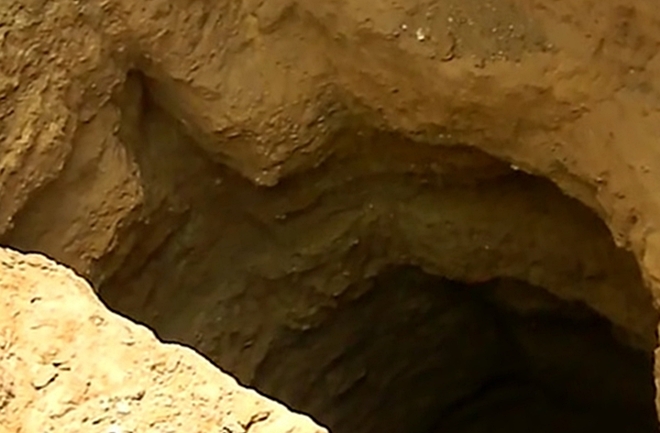
PHOTO: MOHAMED ALY SOLIMAN/ROSSELLA LORENZI
Apart from the two larger and smaller mounds, the expedition team believes the site features a temple or habitation and a row of what may be mastaba tombs adjacent to the mounds. They are shown in the red rectangle thanks to a false color imaging technique developed by Micol.
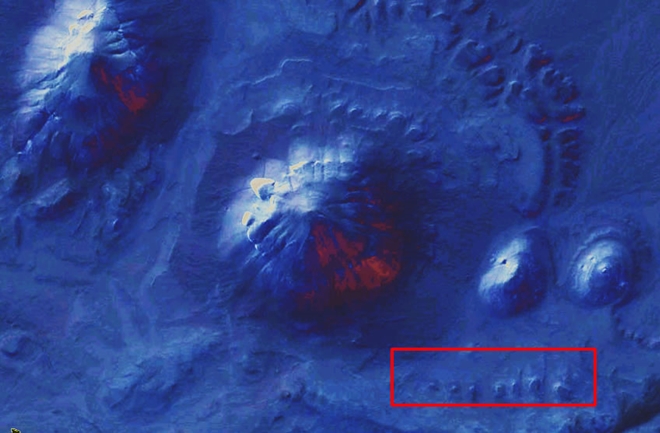
PHOTO: MOHAMED ALY SOLIMAN/ROSSELLA LORENZI
Micol's goal is to take a team of U.S. scientists and videographers to Egypt and prove these sites are indeed the lost pyramid complexes.
 Dogs Are Forced To Wear The Things They Steal — And It’s Hilarious
 This Dentist Brings His Dog In To Help People With Dental Anxiety
 Second Chances In The Saddle: The Retired Racehorses Finding Loving New Homes
 A Guardian in the Light Fixture: Daughter Finds One Last Surprise Her Dad Left Behind
 Smart Blackjack Strategies Every Player Should Know
 Bear Strolls Into Farmers Market, Helps Himself to Free Snacks
 A Sign Told These Tourists to “Follow the Cat,” So They Did
 Man Tests If His New Pants Fit With the Spider-Man Method
 Teacher Refuses To Leave Student Behind, Carries Her Through Park On Field Trip
 Pro Arm Wrestler Loses On Purpose So Dad Can Be Daughter's Hero